
How Small Businesses Can Reduce Operational Costs Through Automation
Running a small business often means doing more with less. Every hour matters. Every rupee matters. And every repetitive task quietly adds to your costs.
Manual data entry, chasing approvals, following up with customers, updating spreadsheets, and handling routine admin work may seem manageable at first. But over time, these small tasks consume valuable hours, slow down teams, and reduce profitability.
The good news: automation can change that.
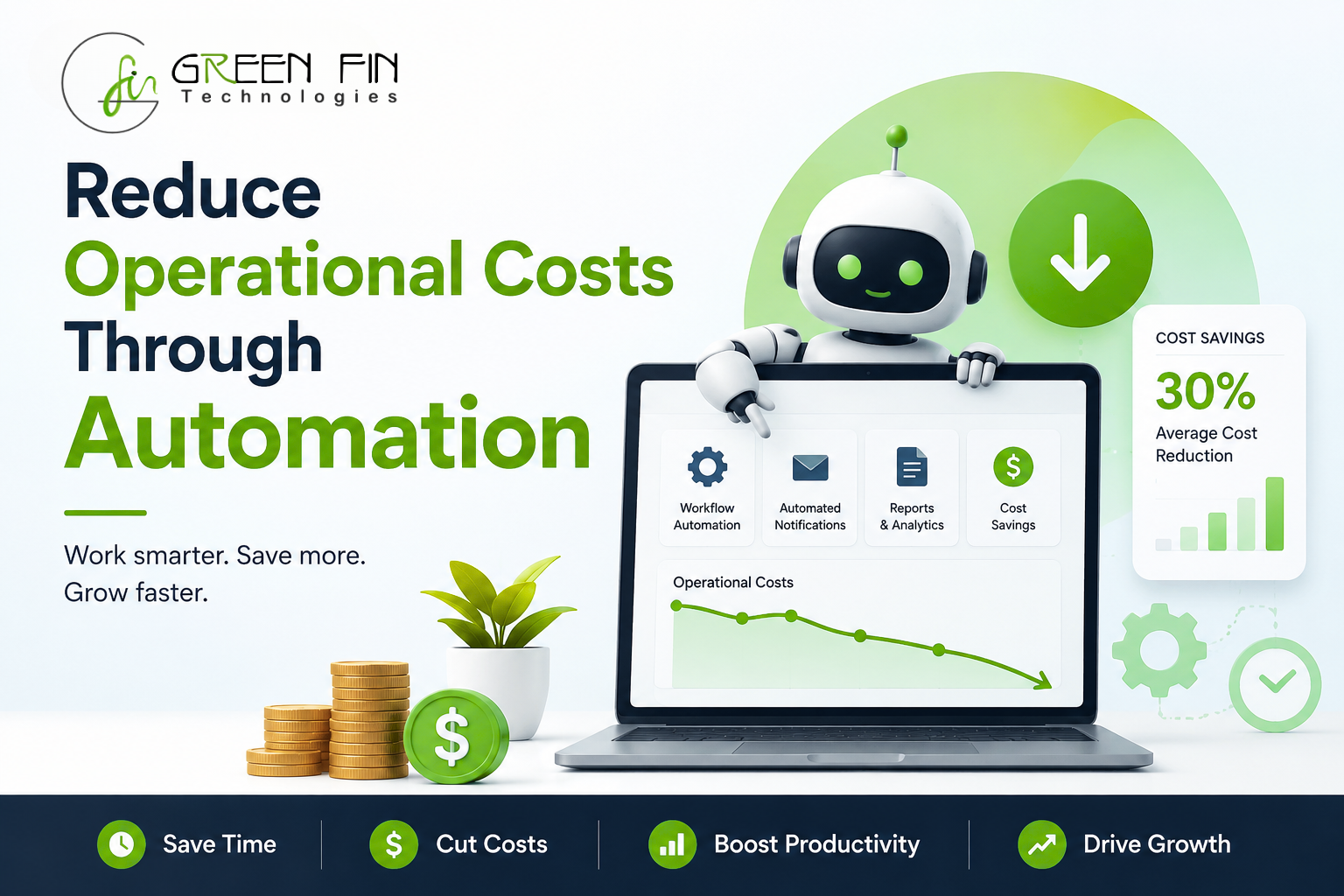
The Hidden Cost of Manual Work
Many businesses focus on visible expenses like rent, salaries, or utilities. But some of the biggest operational costs are hidden inside everyday processes.
Think about how much time is spent on:
- Entering the same information multiple times
- Sending manual follow-ups
- Tracking invoices and payments
- Managing approvals through emails or chats
- Preparing reports from scattered data
When employees spend time on repetitive tasks, they have less time for customer service, sales, and growth-focused work.
What Business Automation Really Means
Business automation is not about replacing people. It is about removing repetitive tasks so your team can focus on higher-value work.
Automation helps systems handle routine actions automatically – such as sending notifications, updating records, generating reports, and organizing workflows.
In simple terms, it helps your business run smarter with fewer manual steps.
Where Small Businesses Can Save Costs Through Automation
1. Faster Administrative Work
Routine admin tasks often consume a large part of the workday. Automating document handling, approvals, scheduling, and internal workflows reduces manual effort and saves time.
2. Fewer Human Errors
Manual processes often lead to duplicated entries, missed follow-ups, or incorrect reporting. Automation improves consistency and reduces the cost of mistakes.
3. Better Team Productivity
When employees spend less time on repetitive tasks, they can focus on work that directly supports growth – customer relationships, sales opportunities, and strategic planning.
4. Smarter Customer Communication
Automated follow-ups, reminders, and notifications help businesses respond faster and maintain better customer experiences without adding extra workload.
5. Better Visibility Into Business Performance
Automated reporting gives business owners faster access to useful data. Instead of spending hours collecting numbers, you can quickly understand what is working and where improvements are needed.
Real Impact for Small Businesses
For small businesses, automation creates more than convenience.
It can help reduce overtime, lower operational waste, improve team efficiency, and create stronger customer experiences.
Even small improvements across daily processes can create major savings over time.
How to Start Without Overcomplicating It
You do not need to automate everything at once.
Start by identifying tasks that are:
- Repetitive
- Time-consuming
- Prone to errors
- Done frequently across teams
These areas usually deliver the fastest and most noticeable results.
Small businesses do not always need bigger teams to grow. Often, they need smarter systems.
Automation helps reduce operational costs by saving time, improving efficiency, reducing errors, and allowing people to focus on meaningful work.
In today’s competitive market, businesses that automate intelligently create more room for growth.
The goal is simple: spend less time managing work – and more time growing the business.