
🤖 Future of Robotics & Automation
The world is entering a new era where machines are not just tools-they are intelligent partners. Robotics and automation are transforming industries, redefining workflows, and reshaping how businesses operate. From manufacturing floors to customer service, automation is becoming the backbone of modern innovation.
But what does the future really look like? Let’s explore.
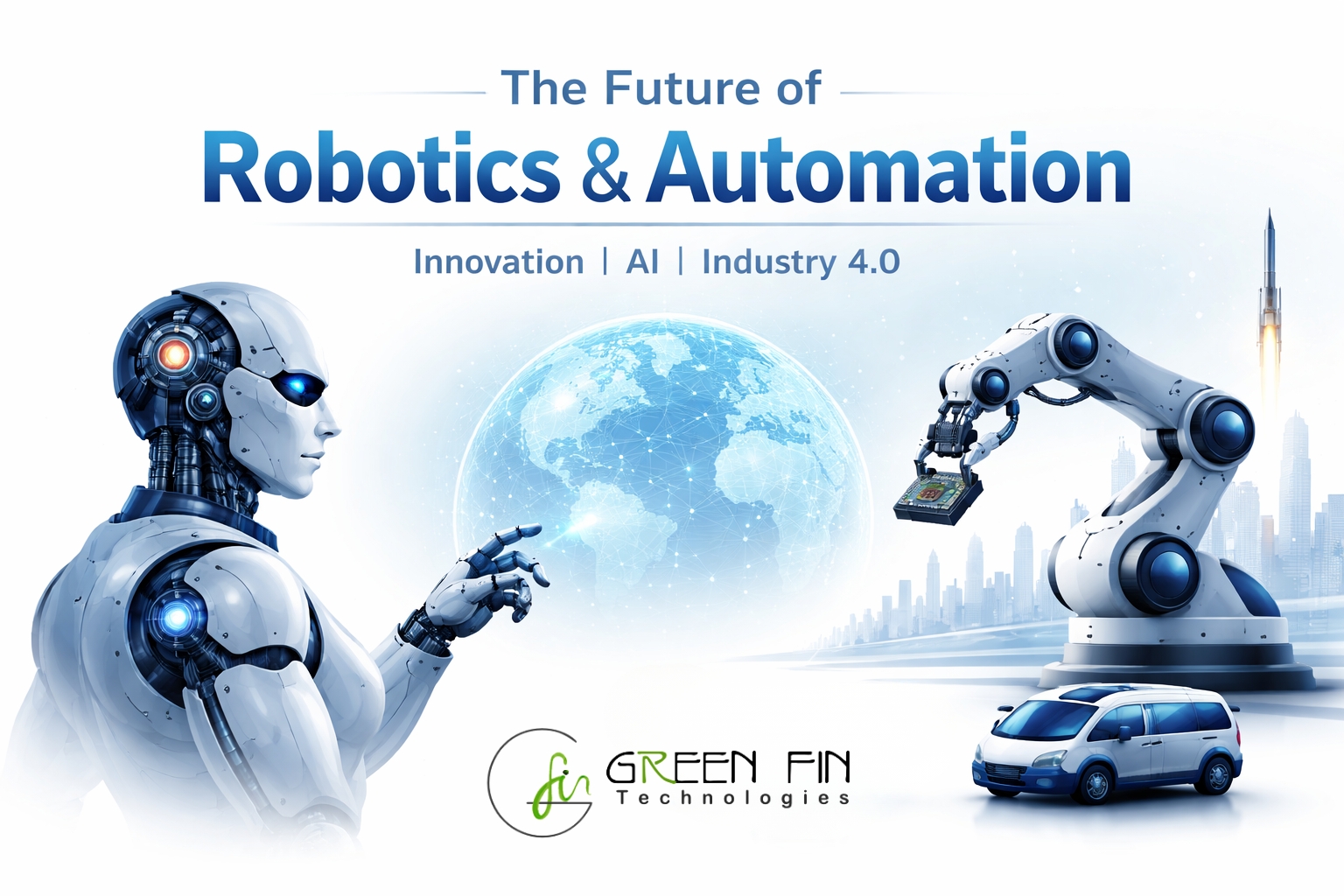
🚀 What is Robotics & Automation?
Robotics involves the design and use of robots to perform tasks, while automation focuses on using technology to execute processes with minimal human intervention.
Together, they create systems that are:
- Faster
- More accurate
- Highly efficient
- Scalable for business growth
🌍 Why Robotics & Automation Matter
Businesses today face increasing pressure to deliver faster, reduce costs, and stay competitive. Robotics and automation help by:
- ⚡ Increasing productivity
- 💰 Reducing operational costs
- 🎯 Minimizing human errors
- ⏱️ Saving time on repetitive tasks
- 📈 Improving overall efficiency
🔮 Key Trends Shaping the Future
1. AI-Powered Robots
Modern robots are no longer limited to predefined tasks. With AI integration, they can:
- Learn from data
- Adapt to new environments
- Make intelligent decisions
This makes them ideal for complex business operations.
2. Rise of Autonomous Systems
Self-driving vehicles, drones, and automated delivery systems are becoming more common. These technologies will:
- Transform logistics and transportation
- Reduce dependency on manual labor
- Improve speed and accuracy
3. Automation in Business Processes
Businesses are increasingly adopting automation tools to handle:
- Customer support (chatbots & AI agents)
- Data processing
- Marketing campaigns
- Financial operations
This shift allows teams to focus on strategic work instead of routine tasks.
4. Human + Machine Collaboration
The future is not about replacing humans-it’s about collaboration.
“Cobots” (collaborative robots) work alongside humans to:
- Enhance productivity
- Improve safety
- Handle physically demanding tasks
5. Smart Manufacturing (Industry 4.0)
Factories are becoming smarter with:
- IoT (Internet of Things)
- Real-time data monitoring
- Predictive maintenance
This leads to faster production and fewer downtimes.
🏢 Impact on Businesses
Automation is no longer a luxury-it’s a necessity. Businesses that adopt robotics early gain a competitive advantage by:
- Scaling operations quickly
- Delivering consistent quality
- Reducing costs in the long run
- Enhancing customer experience
⚠️ Challenges to Consider
While the future is exciting, there are challenges:
- High initial investment
- Need for skilled workforce
- Data security concerns
- Integration with existing systems
However, the long-term benefits outweigh these hurdles.
🌱 The Road Ahead
The future of robotics and automation is driven by innovation. As technologies evolve, we can expect:
- Smarter AI-driven systems
- Fully automated business workflows
- Increased personalization in services
- Greater efficiency across industries
Businesses that embrace this change will lead the next digital revolution.
🚀 Final Thoughts
Robotics and automation are not just trends-they are shaping the future of how we live and work. By adopting these technologies, businesses can unlock new levels of productivity, innovation, and growth.
The question is no longer if you should adopt automation, but how soon you can start.